Vascular Surgeon in Dhaka
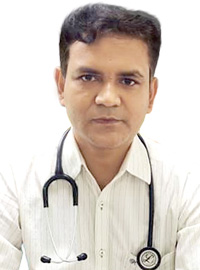
Dr. A K Choudhary Apurba
Vascular Surgeon, Dhaka, Barisal
MBBS, BCS (Health), MS (CVTS), Cardiovascular & Thoracic Specialist Surgeon, Consultant (Cardiac Surgery) -Sher-E-Bangla Medical College & Hospital, Barisal.

Dr. Mohammad Moniruzzaman
Vascular Surgeon, Dhaka
MBBS (SSMC), MS (CV & TS), Consultant Cardiac Surgery, Ex Asst. Professor, National Heart Foundation & Research Institute, Cardiac Surgeon
Assistant Professor Dr. Monoj Kumar Sarkar
Vascular Surgeon, Dhaka
MBBS, BCS (Health), MS (Cardio Vascular & Thoracic Surgery). Specialized Cardiac Surgeon - National Institute of Cardiovascular Diseases, Dhaka.
Professor Dr. Md. Golam Kibria
Vascular Surgeon, Dhaka
MBBS, MS (Cardiac Surgery), Fellow WHO (India). Highly trained from Thailand and England. Professor (Cardiac Surgery, Retired)- National Cardiac Institute and Hospital, Dhaka.
Professor Dr. Naresh Chandra Mondal
Vascular Surgeon, Dhaka
MBBS, MS (Heart, Vascular & Thoracic). Vascular, endovascular and laser specialist surgeons. Ex-Professor & Head of Department (Department of Vascular Surgery) - National Heart Institute & Hospital, Dhaka.
Assistant Professor Dr. Sajedul Bari Amin
Vascular Surgeon, Dhaka
MBBS, BCS (Health), FCPS, MS (CV & TS). Heart and vascular specialist and surgeon. Assistant Professor (Department of Cardiovascular Surgery) - National Heart Institute and Hospital, Dhaka.
Dr. Md. Faridul Islam Shahin
Vascular Surgeon, Dhaka
MBBS (DMC), BCS (Health), MS (Cardiovascular & Thoracic Surgery). Consultant, Heart, Vascular, Thoracic and Laser Specialist Surgeon - National Heart Institute and Hospital, Dhaka.
Dr. S M Parvez Ahmed Sohel
Vascular Surgeon, Dhaka
MBBS, MS (Surgery), MS (Vascular Surgery), Vascular and Endovascular Surgeon, Assistant Professor -National Heart Institute and Hospital, Dhaka.
Dr. Abu Hasnat Md. Masud Sinha
Vascular Surgeon, Dhaka
MBBS (Dhaka), D-Card (London), FACC (USA). Senior Consultant - Invasive and Interventional Cardiology.
Dr. Md. Ishrat Kayum
Vascular Surgeon, Dhaka
MBBS (RMC), BCS (Health), MRCS (Surgery) Edinburgh, UK, MS (Cardio Vascular & Thoracic Surgeon), BSMMU, Specialist Cardio Vascular Surgeons and General Surgeons (NICVD)
Assistant Professor Dr. Md. Zobayed Hasan
Vascular Surgeon, Dhaka
MBBS, MRCS, MS (CVTS). Heart, Vascular, Thoracic Specialist and Surgeon. Assistant Professor (Cardiac Surgery) - National Heart Institute and Hospital, Dhaka.
Professor Md. Mostafizur Rahman
Vascular Surgeon, Dhaka
MBBS, MS, FCPS, FRCS. Cardiac Surgeon, Professor & Chairman (Department of Cardiac Surgery) - Bangabandhu Sheikh Mujib Medical University, Dhaka.
Prof. Dr. Rezwanul Hoque Bulbul
Vascular Surgeon, Dhaka
MBBS, MS (CDTS), FCPS (Surgery), FRCS (Glasgow), FRCS (Edinburgh). Cardiac Surgeons, Thoracic, Vascular and General Surgeons. Professor and Ex-Chairman (Department of Cardiac Surgery) - Bangabandhu Sheikh Mujib Medical University, Dhaka.
Dr. Amanur Rahman Sumon
Vascular Surgeon, Dhaka
MBBS, MS (CD & TS, BSMMU), MHE (DU), Cardiac Vascular & Thoracic Surgeon - Bangabandhu Sheikh Mujib Medical University, Dhaka.
Asst. Prof. Dr. Omar Sadik Khan
Vascular Surgeon, Dhaka
MBBS, MS (CD & TS), Clinical Fellow, Adult Cardiac Surgery - National University Hospital, Singapore. Assistant Professor (Department of Cardiac Surgery) - Bangabandhu Sheikh Mujib Medical University, Dhaka.
Prof. Dr. S.A.M. Abdus Sabur
Vascular Surgeon, Dhaka
MBBS (Dhaka), DTCD (DU) Gold Medallist, MRI (Japan), MS (Cardiovascular & Thoracic Surgery). Thoracic Specialist, Cardiovascular and Thoracic Surgeon. Former Head of Department (Cardiovascular Surgery) - National Heart Institute & Hospital, Dhaka.
Dr. Golam Haider Rasul
Vascular Surgeon, Dhaka
MBBS, FCPS (Surgery). Senior Consultant (Cardiac Surgeon) - Lubna General Hospital & Cardiac Centre, Dhaka.
Dr. S. M. A. Zulkar Nain Palash
Vascular Surgeon, Dhaka
MBBS, DTCD, MS (CTS). Cardiac surgeon and thoracic specialist.
Lt. Col. Dr. Muhammad Hasan Zaman
Vascular Surgeon, Dhaka
MBBS (Dhaka), MS (CVTS), Fellowship Training (Surgery), Specialized Training - Cardiac, Vascular and Thoracic. Higher Training (Turkey). Surgery Specialist (Cardiovascular) - Combined Military Hospital (CMH), Dhaka.
Assistant Professor Dr. Kazi Mahbub-ul-Alam
Vascular Surgeon, Dhaka
MBBS, MCPS, MS (CV&T). Assistant Professor, (Department of Cardiovascular Surgery) - National Cardiovascular Institute and Hospital, Dhaka.
Vascular Surgeon in Dhaka
Vascular Surgeon in Dhaka: Find the Right Blood Vessel Specialist
Blood vessels play an essential role in carrying oxygen and nutrients throughout the body. When arteries or veins become narrowed, blocked, damaged, or enlarged, they can cause serious circulation problems. Symptoms such as leg pain while walking, swollen veins, non-healing wounds, and changes in skin colour may indicate an underlying vascular condition. Consulting a qualified Vascular Surgeon in Dhaka can help identify these problems and explore suitable treatment options.
A vascular surgeon is a medical specialist who diagnoses and manages diseases affecting arteries, veins, and the vascular system. Treatment may involve medication, lifestyle changes, minimally invasive procedures, or open surgery, depending on the patient's condition.
If you are searching for the Best Vascular Surgeon in Dhaka, DaktarAchen can help you explore specialist profiles, qualifications, and consultation information.
What Does a Vascular Surgeon Do?
A vascular surgeon specialises in diseases affecting blood vessels throughout the body, excluding the heart and the blood vessels inside the brain, which are generally managed by other specialist teams.
A Vascular Specialist in Dhaka may evaluate and treat:
-
Blocked or narrowed arteries
-
Peripheral artery disease (PAD)
-
Varicose veins and chronic venous insufficiency
-
Deep vein thrombosis (DVT)
-
Aortic aneurysms
-
Carotid artery disease
-
Diabetic foot circulation problems
-
Non-healing vascular ulcers
-
Blood vessel injuries
-
Dialysis access problems
Vascular surgeons do not perform surgery on every patient. Many vascular conditions can be managed through medication, exercise, lifestyle changes, and regular monitoring. Procedures are considered when clinically necessary.
When Should You Visit a Vascular Surgeon in Dhaka?
Vascular conditions can develop gradually or appear suddenly. Persistent symptoms involving circulation should be evaluated by a qualified doctor.
Consider consulting a Vascular Surgeon Doctor in Dhaka if you experience:
-
Leg pain or cramping while walking
-
Persistent swelling in one or both legs
-
Bulging, twisted veins
-
Coldness or numbness in the feet
-
Changes in skin colour around the legs or feet
-
Wounds that heal slowly or do not heal
-
Pain in the legs while resting
-
Sudden swelling, redness, or tenderness in one leg
-
A diagnosed aneurysm or narrowed artery
-
Circulation problems associated with diabetes
Sudden severe limb pain, coldness, numbness, or weakness may indicate acute loss of blood flow and requires emergency medical assessment. Sudden breathlessness or chest pain with possible blood clot symptoms also requires emergency care.
Common Vascular Diseases Treated by Specialists
A Vascular Surgery Specialist in Dhaka may diagnose and manage several conditions affecting arteries and veins.
1. Peripheral Artery Disease (PAD)
Peripheral artery disease occurs when arteries supplying blood to the legs become narrowed, often because of plaque buildup. Symptoms may include leg pain during walking, weakness, cold feet, and slow-healing wounds. Early diagnosis is important to reduce the risk of serious circulation complications.
2. Varicose Veins
Varicose veins are enlarged, twisted veins that commonly appear on the legs. They may cause heaviness, aching, swelling, itching, and skin changes. A vascular specialist can assess the affected veins and discuss suitable treatment options.
3. Deep Vein Thrombosis (DVT)
DVT occurs when a blood clot develops in a deep vein, usually in the leg. Symptoms may include swelling, pain, tenderness, and warmth in the affected area. A clot can sometimes travel to the lungs and cause a life-threatening pulmonary embolism, so suspected DVT requires prompt medical assessment.
4. Aortic Aneurysm
An aortic aneurysm occurs when part of the aorta, the body's largest artery, becomes abnormally enlarged. Some aneurysms cause no symptoms and are discovered during imaging tests. Others may require monitoring or surgical repair depending on their size, location, and risk.
5. Carotid Artery Disease
Carotid arteries carry blood to the brain. Narrowing caused by plaque buildup can increase the risk of stroke. A vascular surgeon may evaluate selected patients and discuss medical management or procedures when appropriate.
6. Diabetic Foot and Poor Circulation
Diabetes can damage blood vessels and nerves, increasing the risk of foot ulcers, infection, and poor wound healing. A vascular specialist can assess circulation and determine whether treatment is needed to improve blood supply and protect the affected limb.
7. Chronic Venous Insufficiency
This condition occurs when the veins in the legs do not return blood efficiently toward the heart. It may cause swelling, heaviness, skin discoloration, and venous ulcers. Specialist evaluation can help determine the appropriate management.
Tests and Diagnosis in Vascular Surgery
A vascular surgeon usually reviews the patient's symptoms, medical history, risk factors, and physical examination findings before recommending investigations.
Depending on the suspected condition, tests may include:
-
Doppler Ultrasound: Evaluates blood flow through arteries and veins.
-
Duplex Ultrasound: Helps identify narrowed arteries, venous reflux, and blood clots.
-
Ankle-Brachial Index (ABI): Compares blood pressure in the ankle and arm to assess possible peripheral artery disease.
-
CT Angiography: Uses imaging and contrast material to examine blood vessels.
-
MR Angiography: Provides detailed images of selected blood vessels.
-
Catheter Angiography: Uses contrast and X-ray imaging to examine blood flow and may also support treatment planning.
Not every patient needs all these tests. The doctor selects investigations according to the symptoms and suspected condition.
Vascular Surgery and Treatment Options in Dhaka
Treatment depends on the type of vascular disease, its severity, and the patient's overall health. A vascular surgeon may recommend one or more approaches.
Medication and Lifestyle Management: Some patients benefit from medicines to manage cholesterol, blood pressure, diabetes, or clotting risks. Exercise, smoking cessation, and appropriate lifestyle changes may also support vascular health.
Angioplasty and Stenting: A minimally invasive procedure that uses a balloon to widen a narrowed blood vessel. A stent may be placed to help keep the vessel open.
Vascular Bypass Surgery: A surgeon creates an alternative route for blood to flow around a blocked artery using a suitable blood vessel or graft.
Varicose Vein Treatment: Depending on the condition, treatment may include compression therapy, endovenous procedures, or selected surgical techniques.
Aneurysm Repair: Some aneurysms require open surgical repair or endovascular treatment, depending on their size, location, and clinical risk.
Dialysis Access Surgery: Vascular surgeons may create or repair an arteriovenous fistula or graft to provide access for haemodialysis.
The most appropriate treatment should be determined after specialist assessment. Surgery is not necessary for every vascular condition.
How to Choose the Best Vascular Surgeon in Dhaka
Choosing a qualified specialist is important for accurate diagnosis and appropriate treatment. Before booking an appointment, consider:
-
Qualifications: Check the doctor's medical degree and recognised postgraduate training in vascular or cardiovascular surgery.
-
Clinical Experience: Review experience with your specific vascular condition.
-
Procedural Expertise: Ask about experience with open surgery and endovascular procedures when relevant.
-
Hospital Facilities: Confirm that appropriate diagnostic, surgical, and emergency facilities are available.
-
Communication: Choose a doctor who explains the diagnosis, treatment choices, risks, and expected benefits.
-
Follow-up Care: Vascular conditions may require regular monitoring and long-term management.
Find a Vascular Surgeon in Dhaka Through DaktarAchen
Finding a suitable blood vessel specialist can be easier when doctor information is available in one place. DaktarAchen helps patients explore vascular surgeon profiles and review professional information.
Visit the Vascular Surgeon Doctor Category to explore available specialist profiles. You can also browse the Vascular Surgeons in Dhaka directory to find doctors listed in the city.
For other medical specialists and healthcare professionals, visit the DaktarAchen Doctor Directory.
Review each doctor's qualifications, experience, hospital affiliation, chamber location, and appointment information before choosing a specialist.
Frequently Asked Questions (FAQs)
1. What does a vascular surgeon treat?
A vascular surgeon diagnoses and treats diseases affecting arteries and veins, including peripheral artery disease, varicose veins, aneurysms, DVT, carotid artery disease, and circulation problems related to diabetes.
2. What is the difference between a vascular surgeon and a cardiologist?
A cardiologist primarily diagnoses and medically manages heart conditions. A vascular surgeon focuses on diseases affecting blood vessels outside the heart and brain, including arteries and veins in the legs, neck, abdomen, and other areas.
3. Can a vascular surgeon treat varicose veins?
Yes. Vascular surgeons can evaluate varicose veins and recommend appropriate management, which may include compression therapy, minimally invasive procedures, or surgery.
4. When should a diabetic patient visit a vascular surgeon?
A diabetic patient should seek vascular assessment if they have poor circulation, non-healing foot wounds, unusual foot colour changes, or suspected arterial disease. Early evaluation can help reduce the risk of serious complications.
5. Is vascular surgery always necessary?
No. Many vascular conditions can be managed with medication, lifestyle changes, exercise, and monitoring. Surgery or minimally invasive procedures are recommended only when appropriate for the patient's condition.
Conclusion
Healthy blood circulation is essential for the proper functioning of the body. Conditions such as blocked arteries, varicose veins, aneurysms, blood clots, and diabetic foot circulation problems may require specialist attention. Consulting a qualified Vascular Surgeon in Dhaka can help identify the underlying problem and explore suitable treatment options.
Use DaktarAchen to discover vascular surgeon profiles, review qualifications, and check consultation information. Timely diagnosis and appropriate care can help protect blood vessel health and reduce the risk of serious complications.