Thoracic Surgeon-Chest Surgeon in Dhaka

Dr. Md. Mushfiqur Rahman
Thoracic Surgeon-Chest Surgeon, Dhaka
MBBS (SSMC), MS (Cardiovascular & Thoracic Surgery), Vascular Diseases & Vascular Surgeon -National Heart Institute & Hospital, Sher-e-Bangla Nagar, Dhaka.
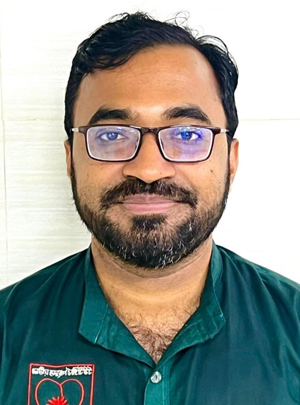
Dr. Shahidul Islam (Shaheen)
Thoracic Surgeon-Chest Surgeon, Dhaka
MBBS, BCS (Health), MS (Cardiovascular & Thoracic Surgery), Clinical Fellowship in Vascular & Endovascular Surgery (Sir Ganga Ram Hospital, New Delhi, India), Vascular & Endovascular Surgeon, Consultant (Vascular Surgery) -National Institute of Cardiovascular Diseases & Hospital (NICVD).

Dr. Gazi Md. Zakir Hossain
Thoracic Surgeon-Chest Surgeon, Dhaka
MBBS, MS (Surgery), MS (Thoracic Surgery), General & Thoracic Surgeon, Associate Professor (Surgery) -Bashundhara Ad-din Medical College, Keraniganj.

Dr. Md. Zahidul Islam
Thoracic Surgeon-Chest Surgeon, Dhaka
MBBS, MS (Thoracic Surgery), Chest & Thoracic Surgery Specialist Registrar (Thoracic Surgery) -National Institute of Diseases of the Chest & Hospital.
Dr. Prasanta Kumar Chanda
Thoracic Surgeon-Chest Surgeon, Dhaka
MBBS, MS (CVTS), Cardiovascular & Thoracic Surgery Specialist Associate Professor (CVTS) -National Heart Foundation Hospital & Research Institute.
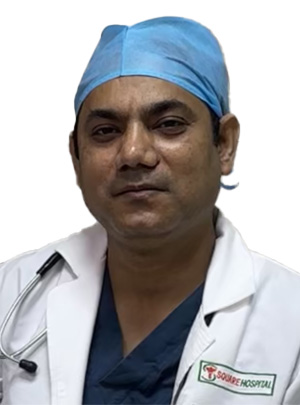
Dr. Md. Ashraful Islam
Thoracic Surgeon-Chest Surgeon, Dhaka
MBBS, MS (Cardiovascular & Thoracic Surgery), FACS, FRCS, Cardiovascular & Thoracic Surgeon, Consultant (Cardiac Surgery) -Square Hospital, Dhaka.
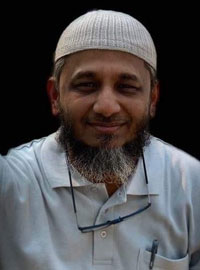
Dr. Kazi Saiful Islam Shakil
Thoracic Surgeon-Chest Surgeon, Dhaka
MBBS, MS (Thoracic Surgery), Fellow, Minimal Invasive Thoracic Surgery (Singapore), Trained in Thoracoscopic Surgery (India, China, S. Korea), Thoracic (Chest, Lung) Surgery Specialist, Associate Professor (Thoracic Surgery) -National Institute of Diseases of the Chest & Hospital.
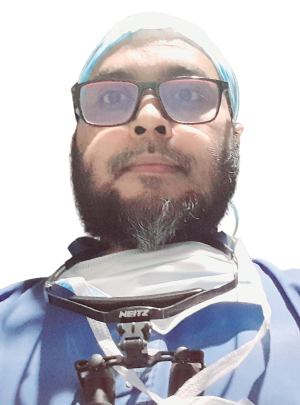
Dr. Kazi Al-Hosne Jamil
Thoracic Surgeon-Chest Surgeon, Dhaka
MBBS, MS (Cardiovascular & Thoracic Surgery), Cardiovascular & Thoracic Surgeon, Resident Surgeon (Cardiac Surgery) -Dhaka Medical College & Hospital.
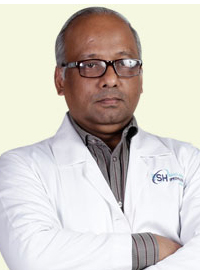
Dr. A.K.M Akramul Haque
Thoracic Surgeon-Chest Surgeon, Dhaka
MBBS, MS (Thoracic Surgery), Thoracic, Pulmonary, Pleural & Esophageal Surgery Specialist, Associate Professor (Cardiovascular Surgery) -National Institute of Diseases of the Chest & Hospital.
Thoracic Surgeon-Chest Surgeon in Dhaka
Thoracic Surgeon in Dhaka: Find the Right Chest Surgery Specialist
Diseases and injuries affecting the chest can involve important organs and structures, including the lungs, oesophagus, airways, pleura, and chest wall. Some conditions can be managed with medication, while others may require specialised surgical treatment. Consulting an experienced Thoracic Surgeon in Dhaka can help patients understand their diagnosis and explore appropriate treatment options.
A thoracic surgeon is a medical specialist trained to diagnose and surgically treat diseases affecting structures inside the chest. Depending on their subspecialty, thoracic surgeons may manage lung diseases, chest tumors, oesophageal disorders, pleural conditions, and chest injuries.
If you are searching for the Best Thoracic Surgeon in Dhaka, DaktarAchen can help you explore specialist profiles, qualifications, and consultation information.
What Does a Thoracic Surgeon Do?
A thoracic surgeon, also known as a chest surgeon, specialises in surgical conditions involving the chest. General thoracic surgery primarily focuses on the lungs, oesophagus, trachea, pleura, mediastinum, diaphragm, and chest wall. Cardiac surgery, which focuses on the heart and major blood vessels, is a related but distinct specialty. Some surgeons have combined cardiovascular and thoracic surgery qualifications.
A Chest Surgeon in Dhaka may evaluate and manage:
-
Lung tumors and selected lung diseases
-
Pleural diseases and fluid accumulation around the lungs
-
Collapsed lung or pneumothorax
-
Chest wall tumors and deformities
-
Oesophageal tumors and certain swallowing disorders
-
Mediastinal tumors and cysts
-
Tracheal and airway abnormalities
-
Selected chest injuries and complications
Not every chest condition requires surgery. The surgeon assesses the diagnosis and determines whether an operation or another treatment approach is appropriate.
When Should You Consult a Thoracic Surgeon in Dhaka?
A patient may be referred to a thoracic surgeon by a pulmonologist, oncologist, emergency physician, or another medical specialist. Consultation may be appropriate when investigations identify a chest condition that could require surgery.
Consider seeking specialist assessment if you have:
-
A lung nodule or suspected lung tumor requiring surgical evaluation
-
Persistent or recurrent fluid around the lungs
-
A collapsed lung or recurrent pneumothorax
-
A chest mass or abnormal growth
-
Difficulty swallowing associated with an oesophageal condition
-
A suspected mediastinal tumor
-
Certain complications of chest infections
-
A chest injury involving the lungs or other internal structures
-
A diagnosed condition for which a doctor has recommended thoracic surgery
Severe breathing difficulty, sudden chest pain, or serious chest trauma requires urgent medical assessment rather than waiting for a routine appointment.
Common Conditions Treated by Chest Surgeons
A Thoracic Surgery Specialist in Dhaka may manage a variety of conditions affecting the chest.
1. Lung Cancer and Lung Tumors
Lung cancer develops when abnormal cells grow in lung tissue. Some patients may be suitable for surgery depending on the cancer type, stage, location, and overall health. Thoracic surgeons may perform procedures to remove affected lung tissue and, when indicated, nearby lymph nodes.
2. Pleural Effusion
Pleural effusion occurs when excess fluid collects between the layers surrounding the lungs. The underlying cause may include infection, cancer, or other medical conditions. Some cases require drainage, biopsy, or surgical treatment.
3. Pneumothorax
Pneumothorax, commonly called a collapsed lung, occurs when air enters the space between the lung and chest wall. Treatment depends on the size, cause, symptoms, and recurrence risk. Selected cases may require a chest tube or surgery.
4. Empyema and Other Chest Infections
Empyema is a collection of infected fluid in the space around the lungs. Some cases require drainage or an operation to remove infected material and help the lung expand.
5. Oesophageal Diseases
The oesophagus is the tube that carries food from the mouth to the stomach. Thoracic surgeons may manage selected conditions such as oesophageal cancer, strictures, achalasia, and certain structural abnormalities.
6. Mediastinal Tumors
The mediastinum is the central area between the lungs. Tumors and cysts can develop in this region, including thymic tumors. Depending on their type and location, some may require surgical removal.
7. Chest Wall Conditions
Thoracic surgeons may also evaluate selected chest wall tumors, injuries, and structural abnormalities involving the ribs, breastbone, and surrounding tissues.
Common Thoracic Surgery Procedures
The appropriate procedure depends on the patient's diagnosis and clinical condition. A Thoracic Surgeon Doctor in Dhaka may perform or recommend procedures such as:
-
Video-Assisted Thoracoscopic Surgery (VATS): A minimally invasive technique using a camera and small incisions to examine or operate inside the chest.
-
Lobectomy: Removal of one lobe of the lung when medically indicated.
-
Wedge Resection: Removal of a small, wedge-shaped portion of lung tissue.
-
Pneumonectomy: Removal of an entire lung in selected cases.
-
Pleural Procedures: Procedures to investigate or manage fluid, infection, or air around the lungs.
-
Mediastinal Surgery: Procedures to investigate or remove selected tumors and cysts in the mediastinum.
-
Oesophageal Surgery: Operations for certain benign or cancerous oesophageal conditions.
VATS may offer smaller incisions than traditional open surgery in suitable cases, but not every patient or condition is appropriate for a minimally invasive approach.
Tests and Diagnosis Before Thoracic Surgery
Before recommending an operation, a thoracic surgeon reviews the patient's symptoms, medical history, previous investigations, and overall health.
Depending on the suspected condition, diagnostic tests may include:
-
Chest X-ray
-
CT scan of the chest
-
MRI in selected cases
-
PET-CT for certain cancer assessments
-
Bronchoscopy to examine the airways
-
Oesophagoscopy to examine the food pipe
-
Pleural fluid analysis
-
Lung function tests
-
Biopsy for tissue examination
-
Blood tests and preoperative assessments
These investigations help the medical team understand the condition, assess surgical suitability, and plan treatment.
How to Choose the Best Thoracic Surgeon in Dhaka
Choosing a qualified specialist is important when considering chest surgery. Before booking an appointment, review the following:
-
Qualifications: Check the doctor's medical degree and recognised postgraduate training in thoracic or cardiovascular and thoracic surgery.
-
Relevant Experience: Consider experience with the specific condition or procedure involved.
-
Surgical Expertise: Ask whether the surgeon performs open, minimally invasive, or VATS procedures when relevant.
-
Hospital Facilities: Confirm that the hospital has appropriate surgical, anaesthesia, intensive care, and postoperative support.
-
Communication: Choose a doctor who clearly explains the diagnosis, expected benefits, risks, and alternatives.
-
Follow-up Care: Ask about postoperative monitoring, recovery, and follow-up appointments.
Patients should understand that surgical recommendations depend on individual clinical findings. A second opinion may be helpful for major or complex procedures.
Find a Thoracic Surgeon in Dhaka Through DaktarAchen
Finding an appropriate chest surgery specialist can be easier when doctor information is available in one place. DaktarAchen helps patients explore thoracic surgeon profiles and review professional information.
Visit the Thoracic Surgeon-Chest Surgeon Doctor Category to explore specialist profiles. You can also browse the Thoracic Surgeons in Dhaka directory to find doctors listed in the city.
For other medical specialists and healthcare professionals, visit the DaktarAchen Doctor Directory.
Review each doctor's qualifications, experience, hospital affiliation, chamber location, and appointment information before choosing a specialist.
Frequently Asked Questions (FAQs)
1. What does a thoracic surgeon treat?
A thoracic surgeon treats surgical conditions involving the lungs, oesophagus, pleura, airways, mediastinum, diaphragm, and chest wall.
2. What is the difference between a thoracic surgeon and a pulmonologist?
A pulmonologist primarily diagnoses and medically manages lung and respiratory diseases. A thoracic surgeon specialises in surgical treatment of selected conditions involving structures inside the chest.
3. Does a chest surgeon treat lung cancer?
Yes. Thoracic surgeons may perform operations for suitable lung cancer patients. Whether surgery is appropriate depends on cancer stage, location, type, and the patient's overall health.
4. What is VATS surgery?
VATS stands for Video-Assisted Thoracoscopic Surgery. It is a minimally invasive surgical technique that uses a small camera and specialised instruments inserted through small chest incisions.
5. When is chest surgery necessary?
Chest surgery may be recommended for selected lung tumors, pleural diseases, recurrent pneumothorax, certain oesophageal conditions, mediastinal tumors, and other surgical chest disorders. The decision requires specialist assessment.
Conclusion
Conditions affecting the lungs, oesophagus, pleura, and other chest structures may require specialised medical or surgical care. If a chest condition has been diagnosed or surgery has been recommended, consulting a qualified Thoracic Surgeon in Dhaka can help you understand available treatment options.
Explore DaktarAchen to find chest surgeon profiles, review qualifications, and check consultation information. The right specialist assessment can help patients make informed decisions about their chest health and surgical care.