Neurologist-Neuromedicine Specialist in Dhaka

Dr. Sheik Md. Abdul Fazal
Neurologist-Neuromedicine Specialist, Dhaka
MBBS, FCPS (Medicine), MD (Neurology), Neuromedicine (Brain, Nerve, Spine, Headache, Stroke) Specialist, Assistant Professor (Neurology) -Shaheed Suhrawardy Medical College & Hospitalital.

Dr. Md. Enayetul Islam
Neurologist-Neuromedicine Specialist, Dhaka
MBBS, BCS (Health), MD (Neurology), Neurology (Brain, Stroke, Nerve, Migraine, Headache) Specialist, Assistant Professor (Neurology) -National Institute of Neurosciences & Hospital.

Dr. Imran Sarker
Neurologist-Neuromedicine Specialist, Dhaka
MBBS (DU), MCPS (Medicine), MD (Neurology), FCPS (Neurology), MACP, MAAN (USA), Fellow Parkinson's & Movement Disorder (Malaysia), Neurologist, Parkinson's & Movement Disorder Specialist, Assistant Professor (Neurology) -National Institute of Neurosciences & Hospital.
Dr. Rashed Imam Zahid
Neurologist-Neuromedicine Specialist, Dhaka
MBBS, BCS (Health), MD (Neurology), Neuromedicine Specialist, Consultant (Neuromedicine) -National Institute of Neurosciences & Hospital.
Dr. Anwar Israil
Neurologist-Neuromedicine Specialist, Dhaka
MBBS (SSMC), BCS (Health), MD (Neurology), Neuromedicine Specialist, Assistant Professor (Neuromedicine) -National Institute of Neurosciences & Hospital.
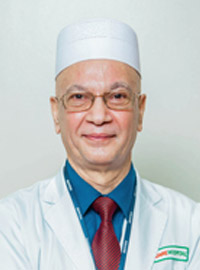
Dr. Mofizur Rahman
Neurologist-Neuromedicine Specialist, Dhaka
MBBS, Diploma (Clinical Neurology - UK), MSc (Neuroscience - UK) Neurological Diseases & Disorders Specialist, Senior Consultant (Neurology) -Square Hospital, Dhaka.
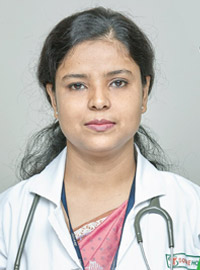
Dr. Rama Biswas
Neurologist-Neuromedicine Specialist, Dhaka
MBBS, FCPS (Medicine), MD (Neurology), Neurology (Brain, Stroke, Nerve, Headache) & Medicine Specialist, Consultant (Neurology Department) -Square Hospital, Dhaka.
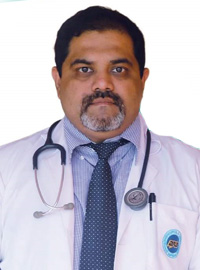
Dr. Mohammad Aftab Haleem
Neurologist-Neuromedicine Specialist, Dhaka
MBBS, MD (Neurology), MSC (UK), Neurology (Brain, Stroke, Headache, Movement) Specialist, Assistant Professor (Neurology) -US-Bangla Medical College & Hospital.

Dr. Alim Akhtar Bhuiyan
Neurologist-Neuromedicine Specialist, Dhaka
MBBS, DTM&H (UK), MD (USA), Board Certified in Neurology (USA) Neurology (Brain, Stroke, Epilepsy, Headache) Specialist, Senior Consultant (Neurology) -United Hospital Limited, Dhaka.
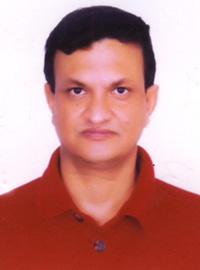
Prof. Dr. Firoz Ahmed Quraishi
Neurologist-Neuromedicine Specialist, Dhaka
MBBS, FCPS (Medicine), MD (Neurology), Neurology (Brain, Spinal Cord, Nerve & Migraine) & Medicine Specialist, Professor & Head (Neurology) -Anwer Khan Modern Medical College & Hospital.
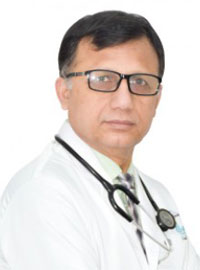
Prof. Dr. Uttam Kumar Saha
Neurologist-Neuromedicine Specialist, Dhaka
MBBS, FCPS (Medicine), MD (Neurology), Fellow (Japan, Canada), Neurology (Brain, Stroke, Epilepsy, Headache) Specialist, Professor (Neurology) -Anwer Khan Modern Medical College & Hospital.
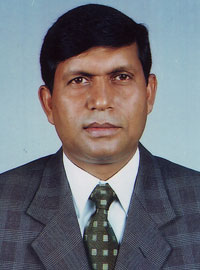
Prof. Dr. Md. Bahadur Ali Miah
Neurologist-Neuromedicine Specialist, Dhaka
MBBS, MD (Neurology), Fellow Interventional Neurology & Stroke Therapy, SGRH (New Delhi), Neurology (Brain, Nerve, Spine, Headache, Stroke) Specialist, Professor (Neuromedicine) -Bangabandhu Sheikh Mujib Medical University Hospital.
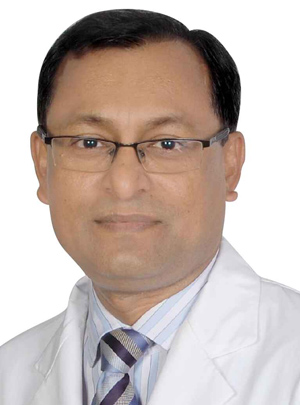
Prof. Dr. Subash Kanti Dey
Neurologist-Neuromedicine Specialist, Dhaka
MBBS, MD (Neurology), Fellowship in Interventional Neurology & Stroke (India), Special Training in ASD (South Korea), Neurology (Brain, Nerve, Spine, Stroke, Migraine, Headache) Specialist Former Professor & Head (Neurology) -Bangabandhu Sheikh Mujib Medical University Hospital.
Prof. Dr. Nirmalendu Bikash Bhowmik
Neurologist-Neuromedicine Specialist, Dhaka
MBBS, MD (Neurology), Neurology Specialist -Asgar Ali Hospital, Dhaka.
Dr. Md. Nazmul Huda
Neurologist-Neuromedicine Specialist, Dhaka
MBBS (DMC), MD (Neurology), Neurology Specialist -Asgar Ali Hospital, Dhaka.
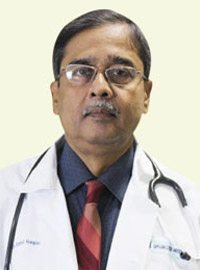
Prof. Dr. Md. Amirul Haque
Neurologist-Neuromedicine Specialist, Dhaka
MBBS, FCPS, FRCP (GLASGOW), FACP (USA), DCN (UK), Neuromedicine (Brain, Nerve, Spine, Headache, Movement, Disorder) Specialist, Ex. Professor & Head (Neuromedicine) -Birdem General Hospital & Ibrahim Medical College.
Dr. Sirajee Shafiqul Islam
Neurologist-Neuromedicine Specialist, Dhaka
MBBS, MD (Neuromedicine), FINR (India), Neuromedicine Specialist, Assistant Professor (Neurology Department) -National Institute of Neurosciences & Hospital.
Prof. Dr. Md. Badrul Alam
Neurologist-Neuromedicine Specialist, Dhaka
MBBS, MD (Neurology), FACP (USA), FRCP (Glasgow), Neurology (Brain, Stroke, Nerve & Migraine) & Medicine Specialist, Joint Director & Professor (Neurology) -National Institute of Neurosciences & Hospital. President, Society of Neurologists of Bangladesh (SNB).
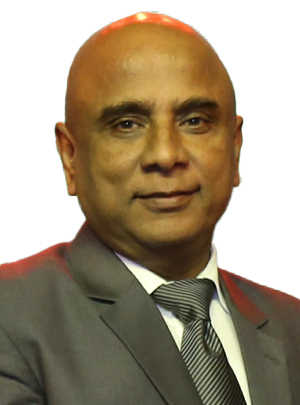
Prof. Dr. Quazi Deen Mohammad
Neurologist-Neuromedicine Specialist, Dhaka
MBBS, MD (Neurology), FCPS (Medicine), Fellow in Neurology (USA), Neurology & Medicine Specialist, Founding Director & Chairman -National Institute of Neurosciences & Hospital.
Neurologist-Neuromedicine Specialist in Dhaka
Neurologist in Dhaka: Find the Right Neuromedicine Specialist
The brain, spinal cord, and nerves control almost every activity in the human body, including movement, memory, sensation, speech, and coordination. Problems affecting the nervous system can cause symptoms such as persistent headaches, dizziness, numbness, seizures, muscle weakness, and difficulty walking. If you experience these symptoms, consulting a qualified Neurologist in Dhaka can help identify the underlying cause and determine appropriate treatment.
A neurologist, also known as a neuromedicine specialist, diagnoses and manages conditions affecting the brain, spinal cord, peripheral nerves, and muscles. Through DaktarAchen, patients can explore neurologist profiles in Dhaka and find doctors for different neurological health concerns.
What Does a Neurologist Do?
A neurologist is a medical specialist trained to diagnose and treat disorders of the nervous system. The nervous system includes the brain, spinal cord, and network of nerves responsible for communication between the brain and the rest of the body.
A Neuromedicine Specialist in Dhaka may evaluate and manage conditions such as:
-
Migraine and chronic headaches
-
Stroke and its complications
-
Epilepsy and seizures
-
Parkinson's disease
-
Alzheimer's disease and memory problems
-
Peripheral neuropathy
-
Multiple sclerosis
-
Nerve and muscle disorders
-
Dizziness and balance problems
-
Spinal cord and movement-related disorders
Neurologists generally provide medical treatment rather than performing brain or spinal surgery. Patients who require an operation may be referred to a neurosurgeon.
When Should You Visit a Neuromedicine Specialist?
Some neurological symptoms may develop gradually, while others appear suddenly. Persistent, recurring, or unexplained symptoms should be evaluated by a qualified doctor.
Consider consulting a Neurologist in Dhaka if you experience:
-
Frequent or severe headaches
-
Repeated migraine attacks
-
Numbness or tingling in the hands and feet
-
Muscle weakness or unexplained tremors
-
Seizures or episodes of loss of awareness
-
Difficulty maintaining balance or walking
-
Persistent dizziness
-
Memory loss or changes in cognitive function
-
Neck or back pain associated with nerve symptoms
-
Unexplained changes in speech, sensation, or movement
Important: Sudden facial drooping, weakness or numbness on one side of the body, difficulty speaking, sudden vision problems, or loss of balance may indicate a stroke. Seek emergency medical attention immediately rather than waiting for a routine appointment. Even if these symptoms disappear, urgent assessment is necessary.
Common Neurological Diseases Treated by Neurologists
1. Migraine and Headache
Migraine is a neurological condition that can cause recurring headaches, often accompanied by nausea and sensitivity to light or sound. Some people also experience visual or sensory symptoms known as aura.
A neurologist can evaluate recurring headaches, identify possible triggers, and discuss suitable treatment and prevention options.
2. Stroke
A stroke occurs when blood flow to part of the brain is interrupted or when bleeding occurs in the brain. It can cause weakness, speech difficulties, vision changes, and problems with coordination.
Neurologists help diagnose stroke, manage neurological complications, and coordinate rehabilitation and follow-up care.
3. Epilepsy
Epilepsy is a neurological disorder characterised by a tendency to experience recurrent seizures. Seizures may involve unusual movements, changes in awareness, or temporary loss of consciousness.
A neuromedicine specialist may recommend investigations and medication based on the seizure type and individual medical history.
4. Parkinson's Disease
Parkinson's disease is a progressive neurological condition that affects movement. Common symptoms include tremors, muscle stiffness, slowed movement, and balance difficulties.
Neurologists help manage symptoms, monitor disease progression, and adjust treatment when necessary.
5. Peripheral Neuropathy
Peripheral neuropathy affects nerves outside the brain and spinal cord. It may cause tingling, burning sensations, numbness, pain, or weakness, particularly in the hands and feet.
Diabetes, vitamin deficiencies, certain medications, and other medical conditions can contribute to nerve damage.
6. Alzheimer's Disease and Memory Disorders
Alzheimer's disease is a progressive condition affecting memory, thinking, and behaviour. A neurologist may assess memory problems, investigate possible causes, and help patients and families plan appropriate care.
Tests Recommended by a Neurologist
A neurologist usually begins with a medical history and neurological examination. The examination may assess muscle strength, reflexes, sensation, coordination, balance, memory, vision, and speech.
Depending on the symptoms, a Neuromedicine Specialist in Dhaka may recommend:
-
MRI of the Brain or Spine: Produces detailed images that can help identify certain structural abnormalities, inflammation, injuries, or other neurological problems.
-
CT Scan: May be used to assess brain injuries, bleeding, or suspected stroke, particularly in emergency settings.
-
Electroencephalogram (EEG): Records electrical activity in the brain and may help evaluate seizures and epilepsy.
-
Electromyography (EMG): Assesses the electrical activity of muscles and may help investigate muscle or nerve disorders.
-
Nerve Conduction Study (NCS): Evaluates how electrical signals travel through peripheral nerves.
-
Blood Tests: May help identify infections, metabolic problems, vitamin deficiencies, or other conditions contributing to neurological symptoms.
-
Lumbar Puncture: In selected cases, a sample of cerebrospinal fluid may be examined to investigate certain infections or inflammatory conditions.
Not every patient requires all these tests. The neurologist selects investigations according to the symptoms, examination findings, and suspected condition.
Neurological Treatment Options in Dhaka
Treatment depends on the diagnosis, severity of the condition, age, general health, and individual needs. A neurologist may recommend one or more of the following approaches.
Medication
Medicines may be used to manage seizures, migraine, nerve pain, movement disorders, and other neurological conditions. The type and dose depend on the diagnosis and medical assessment.
Stroke Management and Rehabilitation
Stroke care may involve emergency treatment, medication, rehabilitation, and management of risk factors. Physiotherapy, occupational therapy, and speech therapy may help address certain difficulties after a stroke.
Lifestyle and Risk-Factor Management
Doctors may discuss sleep, physical activity, nutrition, blood pressure, blood sugar, and smoking cessation as part of long-term neurological care.
Long-Term Neurological Care
Conditions such as Parkinson's disease, epilepsy, and multiple sclerosis may require ongoing monitoring. Regular consultations help assess symptoms and review treatment plans.
Neurologist vs Neurosurgeon: What Is the Difference?
A neurologist and a neurosurgeon both work with conditions affecting the brain, spinal cord, and nerves, but their roles are different.
A neurologist focuses on diagnosing and treating neurological conditions through medical management, medication, and monitoring.
A neurosurgeon is trained to perform operations involving the brain, spine, and nervous system. Surgery may be considered for certain brain tumours, spinal conditions, injuries, or other problems.
Some patients may need both specialists as part of their treatment.
How to Choose the Best Neurologist in Dhaka
Choosing a suitable neurological specialist is important, particularly when symptoms require long-term monitoring or specialised treatment.
When searching for the Best Neurologist in Dhaka, consider these factors:
-
Qualifications: Review the doctor's medical degree and recognised postgraduate qualifications in neurology or neuromedicine.
-
Relevant Experience: Consider experience with the neurological condition you need help with.
-
Hospital Affiliation: Check the hospital or clinic where the doctor currently consults.
-
Diagnostic Facilities: Ask whether appropriate neurological investigations are available or can be arranged.
-
Communication: Choose a doctor who listens carefully and explains the diagnosis and treatment options clearly.
-
Follow-Up Care: Consider the availability of regular monitoring and rehabilitation referrals when needed.
Do not rely only on online rankings or promotional claims. The most suitable neurologist is one whose qualifications and experience match your medical needs.
Find a Neurologist in Dhaka Through DaktarAchen
Finding a qualified neurologist can be easier when you can explore doctors by specialty and location.
Visit the Neurologist-Neuromedicine Specialist category on DaktarAchen to browse available doctor profiles.
If you specifically need a specialist in the capital, explore the Neurologist-Neuromedicine Specialist in Dhaka listing. You can review available professional information and identify doctors for consultation.
You can also visit the DaktarAchen doctor directory to explore other medical specialties.
Before booking an appointment, confirm the doctor's current workplace, consultation schedule, fees, and availability directly with the relevant hospital or clinic.
Frequently Asked Questions
1. What does a neurologist treat?
A neurologist diagnoses and manages disorders affecting the brain, spinal cord, nerves, and muscles. These include migraine, stroke, epilepsy, Parkinson's disease, neuropathy, and other neurological conditions.
2. Is a neuromedicine specialist the same as a neurologist?
The terms neurologist and neuromedicine specialist are commonly used to describe doctors specialising in neurological disorders, including brain and nerve conditions.
3. When should I consult a neurologist?
Consider consulting a neurologist for recurring headaches, seizures, unexplained numbness, muscle weakness, tremors, balance problems, or memory difficulties. Sudden stroke symptoms require emergency care.
4. Does a neurologist perform brain surgery?
No. Neurologists generally provide medical diagnosis and treatment. Brain and spinal operations are performed by qualified neurosurgeons.
5. How can I find a neurologist in Dhaka?
You can browse the Neurologist-Neuromedicine Specialist category and the Dhaka-specific listing on DaktarAchen to explore available doctor profiles.
Conclusion
Neurological conditions can affect movement, memory, sensation, communication, and everyday activities. Proper evaluation by a qualified specialist can help identify the cause of symptoms and guide appropriate treatment.
If you are searching for a Neurologist in Dhaka or a Neuromedicine Specialist in Dhaka, explore available doctor profiles on DaktarAchen and choose a specialist whose qualifications and experience match your healthcare needs.