Hematologist in Dhaka

Associate Professor Dr. A K M Amirul Morshed Khosru
Hematologist, Dhaka
MBBS, DCM, DCH, MCPS (Ped), MD (Ped), MD (PHO). Associate Professor and Head of Department (Department of Pediatric Hematology)-Dhaka Medical College. Ex-Consultant: (DGH) - Dhaka Children's Hospital.
Assistant Professor Dr. S.M. Rezanur Rahman
Hematologist, Dhaka
MBBS, BCS (Health), Diploma in Asthma (England), MD (Child Hematologist), BSMMU, Fellow Child Nutrition (German). Assistant Professor (Department of Paediatrics) - Dhaka Medical College and Hospital. BMDC Reg No- A-34713
Dr. Mohammed Murad Hossain
Hematologist, Dhaka
MBBS, BCS (Health), MD (Hematology) (BSMMU). Member - European Hematology Association. Specialist in blood cancer, blood diseases and medicine - National Cancer Research Institute and Hospital, Dhaka.
Dr. Mohammad Murad Hossain
Hematologist, Dhaka
MBBS, BCS (Health), MD (Hematology) (BSMMU). Member - European Hematology Association. Specialist in blood cancer, blood diseases and medicine - National Cancer Research Institute and Hospital, Dhaka. BMDC Reg No-A-34841.
Prof. Colonel Rtd. Dr. Abdul Hai
Hematologist, Dhaka
MBBS, MCPS, FCPS. Received special training in America. Former Head and Founder (Department of Hematology) - CMH, Dhaka.
Dr. Abu Hasan Rubel
Hematologist, Dhaka
MBBS, FCPS (Hematology). Hematology, Blood Cancer and Thalassemia Specialist (Hematology Department) - Azgar Ali Hospital, Dhaka.
Associate Professor Dr. Md. Sadrul Alam Hafiz
Hematologist, Dhaka
MBBS, MD, MCPS (Clinical Pathology & Haematology). Thalassemia, Anemia, Jaundice Specialist - Shaheed M Mansoor Ali Medical College, Dhaka.

Professor Dr. Helena Begum
Hematologist, Dhaka
MBBS, FCPS (Paediatric), Fellow Hematology (India). Specially trained (USA). Paediatrician Professor and Head of Department - Dhaka Central International Medical College and Hospital, Dhaka.
Dr. Md. Guljar Hossain
Hematologist, Dhaka
MBBS, MD (Hematology). Consultant (Department of Hematology) - National Institute of Cancer Research Hospital, Dhaka.
Dr. Mohammad Nadimul Islam
Hematologist, Dhaka
MBBS (DMC), BCS (Health), MRCP (UK), MD (Hematology), MACP (Member of American College of Physicians). Specialist in Medicine, Hematology, Gastroliver and Diabetes - Dhaka Medical College and Hospital, Dhaka.
Dr. Farhana Islam Nila
Hematologist, Dhaka
MBBS (DMC), MD (Blood Transfusion), CCD (BIRDEM). Specially trained in Asthma and COPD. Specialist in Diabetes, Medicine and Blood Transfusion. Associate Professor - National Cancer Research Institute and Hospital, Dhaka.
Assistant Professor Dr. Mujahida Rahman
Hematologist, Dhaka
MBBS, FCPS (Hematology), Blood Cancer and Hematology Specialist, Assistant Professor - Bangabandhu Sheikh Mujib Medical University, Dhaka.
Prof. Col. (Retd.) Dr. Abdul Hai
Hematologist, Dhaka
MBBS, MCPS, FCPS, Specially trained in America, Former Head & Founder (Department of Hematology) - CMH, Dhaka. Senior Consultant, Haematologist Dhaka.
Dr. Asraful Haque Chowdhury
Hematologist, Dhaka
MBBS, BCS (Health), FCPS (Hematology), Medicine and Hematology Specialist -Dhaka Medical College and Hospital, Dhaka.
Assoc. Prof. Dr. Alia Sharmin
Hematologist, Dhaka
MBBS, DPH (Dhaka Children's Hospital), FCPS (Pediatrics), MD (Pediatric Hematology & Pediatric Oncology), Neonatal, Pediatric and Adolescent Pathologists. Associate Professor (Pediatric Department) -Sir Salimullah Medical College, Mitford Hospital, Dhaka.
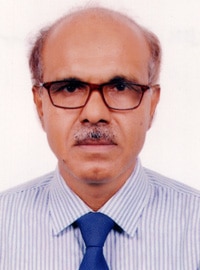
Prof. Dr. Md. Rafiquzzaman Khan
Hematologist, Dhaka
MBBS, DCP, FCPS (Hematology, Thalassemia, Lymphoma, Myeloma Anemia & Blood Cancer Specialist) Professor, Chairman & Head of Department (Department of Hematology) - Bangabandhu Sheikh Mujib Medical University (PG Hospital), Dhaka.
Associate Professor Dr. Humayra Nazneen
Hematologist, Dhaka
MBBS (DMC), FCPS (Hematology), IHTC Fellow (Kuala Lumpur, Malaysia), Hematologist. Associate Professor (Department of Hematology & BMT Unit) -Dhaka Medical College Hospital, Dhaka.
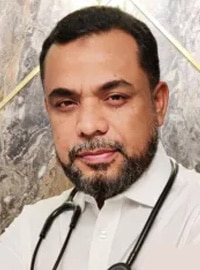
Assistant Professor Dr. Mirza Golam Sarwar Moon
Hematologist, Dhaka
MBBS, BCS (Health), FCPS (Medicine), MD (Hematology), Specialist in Platelet, Hematology and Medicine. Assistant Professor and Head of Department (Department of Hematology and Head-Neck Lymphoma) - National Institute of ENT, Tejgaon, Dhaka.
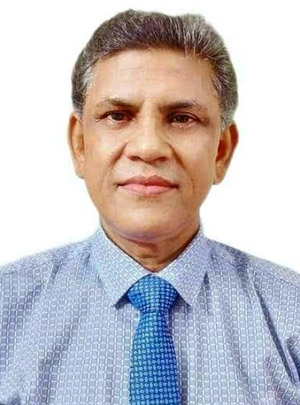
Prof. Dr. Belayet Hossain
Hematologist, Dhaka
MBBS, FCPS (Hematology) Professor (Department of Hemato-Oncology) Hematologist -Dhaka Children's Hospital, Bangladesh Child Health Institute, Dhaka.
Assoc. Prof. Dr. Mohammad Abdul Wahab
Hematologist, Dhaka
MBBS (Dhaka), MD (Pediatric), FCPS (Pediatric), FCPS (Pediatric Hematological Cancer), Neonatal, Child Adolescent Disease, Pediatric Hematology and Oncology, Associate Professor -Bangladesh Children's Hospital and Institute, Dhaka.
Hematologist in Dhaka
Hematologist in Dhaka: Find the Right Blood Specialist for Your Health
Blood plays an essential role in maintaining the body's overall health. It carries oxygen and nutrients, supports the immune system, and helps control bleeding. Problems affecting blood cells, bone marrow, and the clotting system can lead to various health conditions that require specialised medical attention. If you are experiencing unexplained weakness, persistent anemia, unusual bleeding, or other blood-related problems, consulting a qualified Hematologist in Dhaka can be an important step.
A hematologist is a medical specialist who diagnoses and manages diseases affecting blood, bone marrow, and the lymphatic system. Through DaktarAchen, patients can explore available hematologist profiles in Dhaka and review relevant professional information before choosing a doctor.
What Does a Hematologist Do?
A hematologist, also known as a blood specialist, focuses on identifying and treating disorders involving red blood cells, white blood cells, platelets, bone marrow, and blood clotting.
A Hematologist Doctor in Dhaka may evaluate and manage conditions such as:
-
Anemia and iron deficiency
-
Thalassemia
-
Leukemia and lymphoma
-
Multiple myeloma
-
Hemophilia and other bleeding disorders
-
Blood clotting disorders
-
Low platelet count (thrombocytopenia)
-
Sickle cell disease
-
Bone marrow disorders
-
Abnormal white blood cell counts
Some hematologists specialise in blood cancer, pediatric hematology, bone marrow transplantation, or blood clotting disorders. The appropriate specialist depends on the patient's diagnosis and medical requirements.
When Should You Visit a Hematologist in Dhaka?
Some blood disorders develop gradually and may initially cause symptoms that appear similar to common health problems. Persistent or unexplained symptoms should be evaluated by a qualified medical professional.
You may need to consult a Blood Specialist in Dhaka if you experience:
1. Persistent Weakness and Fatigue: Ongoing tiredness, dizziness, or reduced energy may be associated with anemia or other medical conditions.
2. Unexplained Bruising: Frequent bruises without a clear injury may indicate a problem with platelets or blood clotting.
3. Frequent or Unusual Bleeding: Repeated nosebleeds, bleeding gums, or prolonged bleeding after minor injuries may require investigation.
4. Abnormal Blood Test Results: Unusual hemoglobin, platelet, or white blood cell counts may require specialist evaluation.
5. Swollen Lymph Nodes: Persistent swelling in the neck, armpits, or groin should be medically assessed, particularly when accompanied by fever or unexplained weight loss.
6. Recurrent Infections: Repeated or unusual infections may sometimes be associated with problems affecting white blood cells or the immune system.
7. Family History of Blood Disorders: Individuals with a family history of thalassemia, hemophilia, or inherited blood conditions may benefit from appropriate medical assessment.
Severe bleeding, chest pain, significant breathing difficulty, fainting, or sudden neurological symptoms require urgent medical attention.
Common Blood Disorders Treated by Hematologists
A Hematology Specialist in Dhaka may diagnose and manage several types of blood-related conditions.
1. Anemia
Anemia occurs when the body does not have enough healthy red blood cells or hemoglobin to carry adequate oxygen to tissues. Common symptoms include fatigue, weakness, dizziness, and shortness of breath.
Iron deficiency is one possible cause, but anemia can also result from vitamin deficiencies, chronic diseases, inherited conditions, or blood loss.
An Anemia Specialist in Dhaka can investigate the underlying cause and recommend appropriate management based on blood test results and medical history.
2. Thalassemia
Thalassemia is an inherited blood disorder that affects the production of hemoglobin. Depending on the type and severity, it may cause mild anemia or require long-term specialist care.
A Thalassemia Specialist in Dhaka can help patients understand their condition, monitor complications, and discuss appropriate treatment and follow-up care.
3. Leukemia
Leukemia is a type of cancer that affects blood-forming tissues, particularly the bone marrow. It can cause abnormal production of white blood cells and interfere with normal blood cell development.
Symptoms may include persistent fatigue, frequent infections, unexplained bruising, fever, and weight loss. A hematologist may recommend blood tests, bone marrow examination, and other investigations when leukemia is suspected.
4. Lymphoma
Lymphoma is a cancer that develops in the lymphatic system. Its two major categories are Hodgkin lymphoma and non-Hodgkin lymphoma.
Possible symptoms include persistent swollen lymph nodes, unexplained fever, night sweats, and unintended weight loss. Diagnosis generally requires appropriate clinical assessment and tissue examination.
5. Hemophilia and Bleeding Disorders
Hemophilia is an inherited condition that affects the blood's ability to clot properly. People with bleeding disorders may experience prolonged bleeding, frequent bruising, or bleeding into joints and muscles.
A hematologist can evaluate clotting problems and discuss appropriate treatment and preventive care.
6. Platelet Disorders
Platelets help blood form clots and stop bleeding. An unusually low or high platelet count may be associated with different medical conditions.
A hematologist can investigate abnormal platelet results and determine whether additional testing or treatment is necessary.
What Tests May a Hematologist Recommend?
A Hematologist Doctor in Dhaka may recommend laboratory tests and other investigations depending on symptoms, medical history, and initial examination findings.
Common investigations include:
-
Complete Blood Count (CBC): Measures red blood cells, white blood cells, hemoglobin, and platelets.
-
Peripheral Blood Film: Examines the appearance and characteristics of blood cells under a microscope.
-
Iron Profile: Helps evaluate iron levels and possible iron deficiency.
-
Vitamin B12 and Folate Tests: May help identify certain causes of anemia.
-
Coagulation Tests: Assess how effectively blood clots.
-
Bone Marrow Examination: May be recommended to investigate selected blood and bone marrow disorders.
-
Hemoglobin Electrophoresis: Helps identify certain inherited hemoglobin disorders, including different forms of thalassemia.
Not every patient requires all these tests. The hematologist determines which investigations are appropriate for each individual.
Treatment Options for Blood Disorders
Treatment depends on the specific condition, its severity, the patient's overall health, and other clinical factors.
A hematologist may recommend:
1. Medication: Medicines may be used to manage certain types of anemia, blood clotting disorders, and other hematological conditions.
2. Blood Transfusion: Selected patients may require red blood cell or platelet transfusions under medical supervision.
3. Iron or Vitamin Replacement: Appropriate supplementation may be recommended when a confirmed deficiency is responsible for the condition.
4. Chemotherapy and Targeted Therapy: Certain blood cancers may require specialised cancer treatment.
5. Bone Marrow or Stem Cell Transplantation: This may be considered for selected serious blood and bone marrow disorders.
Treatment plans should always be developed by qualified specialists after proper diagnosis. Patients should not start iron supplements, blood-thinning medicines, or other treatments without appropriate medical advice.
How to Choose the Best Hematologist in Dhaka
Finding the Best Hematologist in Dhaka requires careful consideration of the doctor's qualifications, experience, and area of expertise.
Before choosing a specialist, consider:
-
Medical Qualifications: Review the doctor's medical degree and postgraduate qualifications in hematology.
-
Clinical Experience: Consider experience managing the specific blood disorder you are concerned about.
-
Specialist Expertise: Some doctors focus on blood cancer, thalassemia, pediatric hematology, or bleeding disorders.
-
Hospital Affiliation: Check whether the hospital provides relevant diagnostic and treatment facilities.
-
Consultation Location: Choose a convenient chamber for consultations and regular follow-up visits.
-
Communication: A suitable specialist should explain test results, diagnosis, treatment options, and follow-up requirements clearly.
For complex diagnoses, patients may also consider seeking a second medical opinion.
Find a Hematologist in Dhaka Through DaktarAchen
Finding a suitable Hematologist in Dhaka can be challenging when you need to compare qualifications, experience, and consultation locations.
DaktarAchen helps patients explore available hematologist profiles and review relevant professional information.
You can visit these pages to find doctors:
Review the available profiles, qualifications, chamber details, and appointment information before choosing a specialist.
Frequently Asked Questions (FAQs)
1. What is a hematologist?
A hematologist is a medical specialist who diagnoses and manages diseases affecting blood, bone marrow, and the lymphatic system.
2. When should I visit a hematologist?
You should consider consulting a hematologist if you have persistent anemia, unexplained bruising, unusual bleeding, abnormal blood test results, or a suspected blood disorder.
3. Can a hematologist treat thalassemia?
Yes. Hematologists with relevant expertise diagnose and manage different types of thalassemia and help patients receive appropriate long-term monitoring and care.
4. Does a hematologist treat blood cancer?
Yes. Hematologists with expertise in hematological malignancies diagnose and manage blood cancers such as leukemia, lymphoma, and multiple myeloma.
5. How can I find a hematologist in Dhaka?
You can visit DaktarAchen's Hematologist category or Dhaka doctor directory to explore available specialist profiles and consultation information.
Conclusion
Blood disorders can affect different parts of the body and may require specialised diagnosis and long-term medical care. Whether you are concerned about anemia, thalassemia, abnormal blood counts, bleeding disorders, or blood cancer, consulting a qualified hematologist can help you understand your condition and available care options.
If you are looking for a Hematologist in Dhaka, visit DaktarAchen to explore available doctor profiles and find a blood specialist suited to your healthcare needs.